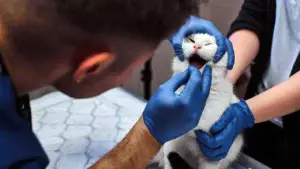
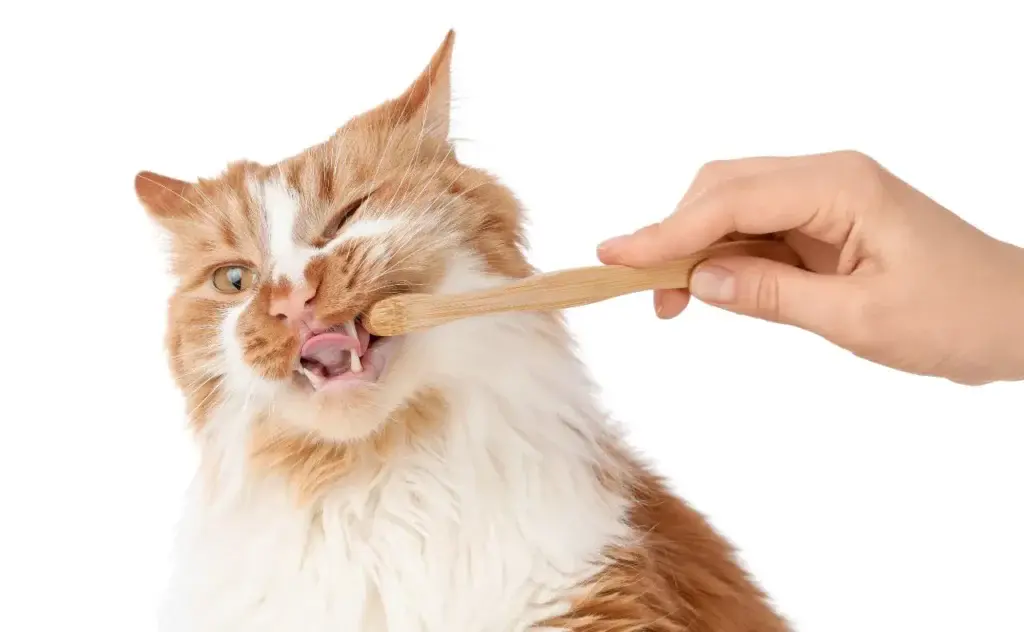
How to brush your cat’s teeth: A Gentle, Fear-Free Cat Tooth Brushing Guide
If you’ve ever tried brushing a cat’s teeth and got a head whip, a squirm, or a dramatic exit—you’re not failing. Cats need a slower, trust-based approach that feels safe, predictable, and completely force-free.
This How to brush your cat’s teeth guide walks you through tiny steps that actually stick, which tools to use (and what to avoid), and how to tell the difference between normal resistance and possible mouth pain.
Affiliate disclosure: This article may contain affiliate links. If you buy through them, we may earn a commission at no extra cost to you.
Educational only—this does not replace veterinary advice.
Quick Answer
Start with a “no brush” week: teach lip lifts and toothpaste licking first. Then rub the outer teeth at the gumline with a finger brush, and only later introduce a soft toothbrush. Keep sessions short (5–20 seconds) and stop early—consistency beats intensity.
If your cat shows signs of oral pain (drooling, pawing at the mouth, refusing food, sudden irritability, or bad breath plus discomfort), pause and book a vet dental exam before continuing.
At a Glance
- Best time: when your cat is calm (after a meal, after play, or during a quiet evening)
- Where to focus: outer teeth + gumline (especially upper back teeth)
- How long: start 5–10 seconds, build toward 20–40 seconds
- Tools: pet-safe toothpaste (enzymatic is often easiest) + finger brush/soft brush
- Why enzymatic toothpaste helps: enzymes can break down plaque even if your cat licks some off
- If you only have 10 seconds: brush the upper back teeth first (plaque builds fast there)
- Avoid: human toothpaste, DIY scraping, scruffing, forcing the mouth open
Why brushing matters more for cats than most owners realize
Cats are masters at hiding discomfort. Dental disease can progress quietly, and you may not notice until a cat changes eating habits, becomes irritable, or starts swallowing food without chewing.
Brushing helps reduce plaque before it hardens into tartar and irritates the gums. Chews, diets, and water additives can help, but brushing is the most direct way to disrupt plaque along the gumline.
Cat-specific note: tooth resorption is extremely common and often painful. It can make a tooth look “broken” near the gumline, so any suspicious “chip” near the gumline should be checked by a vet.
What you need to brush safely
Essentials
- Pet-safe toothpaste (ideally enzymatic)
- Finger brush or soft cat toothbrush (tiny head)
- A calm reward (tiny treat, lickable treat, or gentle affection)
Flavor matters (to make cats accept it)
Many cats prefer toothpaste flavors like poultry, seafood, or malt. If your cat refuses one flavor, try another—flavor preference is often the difference between “no way” and “okay.”
Optional helpful backups
- Cat dental wipes (a good bridge for cats who aren’t ready for a brush)
- VOHC-accepted dental products as support (diets, chews, or water additives)
What not to use
- Human toothpaste (cats swallow toothpaste; many human formulas aren’t meant to be swallowed)
- DIY pastes, essential oils, peroxide rinses
- Home scraping tools (can injure gums and scratch enamel)
Safety warning: never use human toothpaste (xylitol risk)
Do not use human toothpaste for cats.
A key reason is xylitol (also called birch sugar). Xylitol is highly toxic to dogs and is a serious safety concern in pet households. Even aside from xylitol, human toothpaste may contain ingredients not designed to be swallowed.
Use toothpaste made specifically for pets.
Brushing prevents cracks that lead to pain—spot broken or fractured teeth in pets (dogs & cats).
How to brush your cat’s teeth (step-by-step)
This is a cat-friendly training ladder. Stay at each step until your cat is relaxed.
Step 1: Lip-lift practice (2–5 days)
- Gently touch the cheek.
- Lift the lip for 1 second.
- Say a calm cue (“all done”), reward, stop.
Goal: your cat stays neutral while you lift the lip.
Step 2: Toothpaste tasting (3–10 days)
- Put a tiny smear of pet toothpaste on your finger.
- Let your cat lick it off.
- Reward and end immediately.
Why enzymatic toothpaste helps: enzymes can break down plaque chemically, so it can still help even if your cat licks much of it off.
Goal: toothpaste becomes a positive ritual.
That foul breath? Often the first sign—explore bad breath causes in pets (dogs & cats) – 2026.
Step 3: Finger rub at the gumline (1–2 weeks)
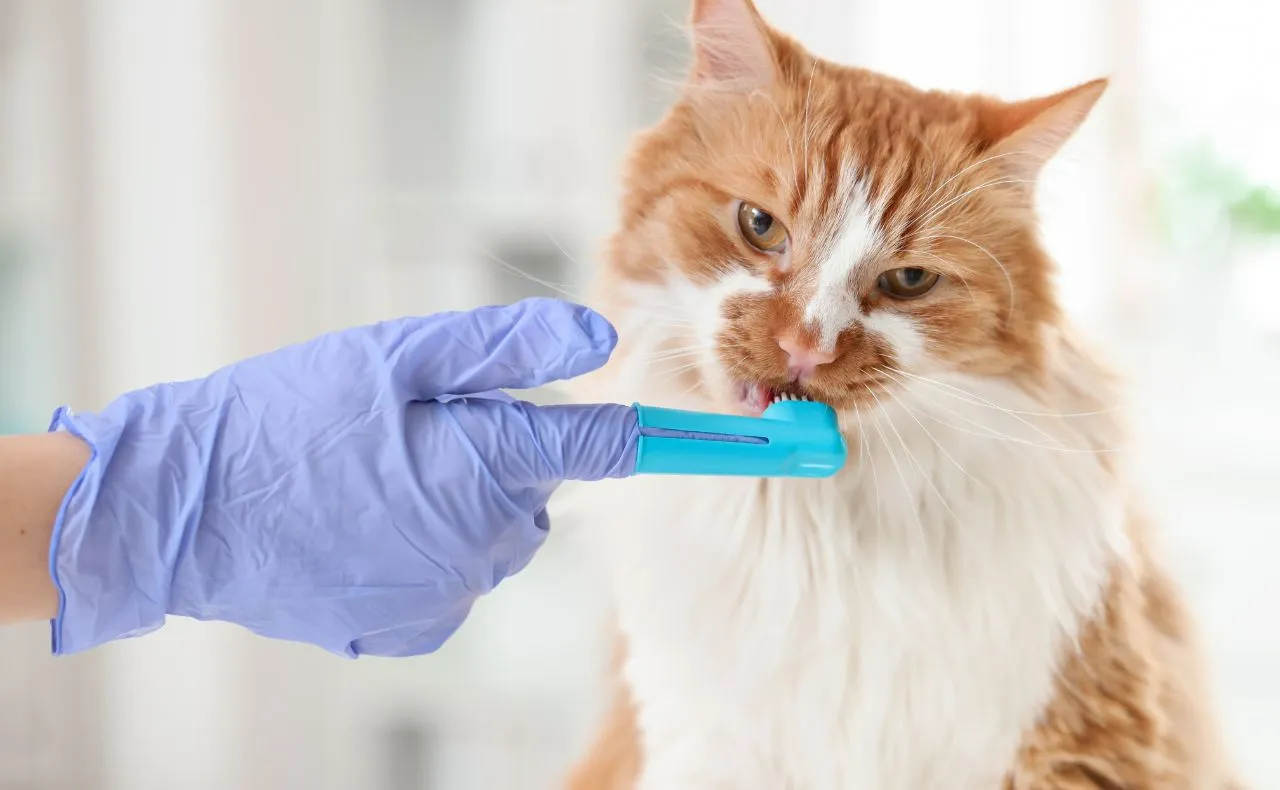
- Use a finger brush or gauze on your finger.
- Rest your hand gently on top of your cat’s head to stabilize (a soft “C-hold” around the head/cheek area can help).
- Rub the outer teeth near the gumline in small circles.
- Do 5 seconds, reward, stop.
Goal: short gumline rubs become normal.
Step 4: Introduce a soft toothbrush (only when Step 3 is easy)
- Choose a soft brush with a tiny head.
- Brush the outer teeth along the gumline with gentle circles.
- Keep it short—10–20 seconds at first.
Goal: quick brushing ends calmly.
Complement brushing with treats that deliver: see do cat dental treats work? Best cat dental chews explained (2026).
Step 5: Build a realistic weekly target
- Week 1–2: 3 short sessions per week
- Week 3–4: aim for 4–6 sessions per week if your cat tolerates it
If you don’t reach daily brushing, that’s still progress. The habit is the win.
Where exactly should you brush? The gumline secret for cats
The gumline is where plaque causes the most trouble. You don’t need to pry the mouth open or brush the inside surfaces.
Focus on:
- outer surfaces (cheek side)
- the gumline
- especially the upper back teeth (premolars/molars)
Catch silent resorption early through routine care—learn tooth resorption in cats: symptoms, stages & treatment.
The 10-second rule (when your cat won’t give you more time)
If you only have 10 seconds, focus on the upper back teeth first. That area tends to accumulate plaque and tartar quickly in many cats. A few calm strokes there are better than a long struggle that ruins the habit.
Pro tip: never scruff or force the mouth open
Never scruff your cat or force their mouth open to brush. This creates a negative association, increases stress, and can lead to injury. If your cat walks away, let them go and try again tomorrow. Force-free training is what makes brushing possible long term.
If your cat refuses: what to do (and when to stop)
If your cat is mildly resistant
- shorten to 3–5 seconds
- go back a step (toothpaste lick or lip-lift only)
- increase reward value (lickable treats often work best)
- end sooner than you think you should
If your cat seems in pain
Stop training and schedule a vet exam. Clues include:
- drooling, pawing at the mouth
- sudden food fussiness or chewing changes
- swallowing kibble whole, dropping food
- bad breath plus irritability
- bleeding gums or visible redness
- sudden aggression when you touch the face
Cat-specific note: tooth resorption can mimic a fractured tooth near the gumline. If you see a “broken-looking” area at the gumline, get it checked.
Stop gum disease before stage 4—understand periodontal disease in dogs and cats: stages explained.
Clean cat teeth at home without a brush (support options)
If brushing isn’t possible yet, you can still support oral hygiene while you train:
- dental wipes (gentle plaque disruption)
- VOHC-accepted dental diets/chews (if appropriate for your cat)
- VOHC-accepted water additives (helpful when mouth handling is hard)
These are support tools, not a solution for painful teeth or thick tartar.
Can I use coconut oil to clean my cat’s teeth?
Coconut oil is generally safe in small amounts for many cats, but it does not contain the enzymatic cleaners in pet toothpaste that actually help break down plaque. Some cats may like the taste, so a tiny amount can be used as a short-term “training flavor” for finger rub practice, but it’s not a replacement for dental care.
If your cat has digestive sensitivities, introduce any new food slowly and keep amounts very small.
When to see your vet
Brushing is prevention—not a substitute for treatment.
Book a vet dental exam if you notice:
- persistent bad breath
- red, swollen, or bleeding gums
- visible tartar buildup
- drooling, pawing at the mouth, chewing changes
- weight loss, reduced appetite, or sudden irritability
- broken tooth, loose tooth, facial swelling
If tartar is thick or gums are inflamed, professional dental cleaning may be the safest starting point. After that, home brushing is often much easier.
FAQs
How often should I brush my cat’s teeth?
Near-daily is ideal, but 3–4 times per week can still help. Consistency matters most.
How long does it take for a cat to accept tooth brushing?
Many cats need 2–4 weeks of slow training. Some take longer. The calmer and shorter you keep it, the better it tends to go.
Is enzymatic toothpaste worth it?
Often, yes—especially for beginners. It can help break down plaque chemically even if your cat licks some off.
Should I brush the inside of the teeth too?
Usually not necessary. Most benefit comes from brushing the outer surfaces at the gumline.
What if my cat is older and has never had brushing?
Start with lip lifts and toothpaste tasting. If you see any pain signs, get a vet exam first so you’re not brushing into discomfort.
Final thoughts
How to brush your cat’s teeth is less about brushing technique and more about trust-building. Start with lip lifts and toothpaste tasting, then move to a gentle gumline rub, then a soft brush—always short sessions, always calm endings. If you suspect pain or see changes in eating or behavior, involve your vet early so brushing becomes a supportive habit, not a stressful battle.