Do Cat Dental Treats Work? A Science-Based Guide to Cat Dental Chews
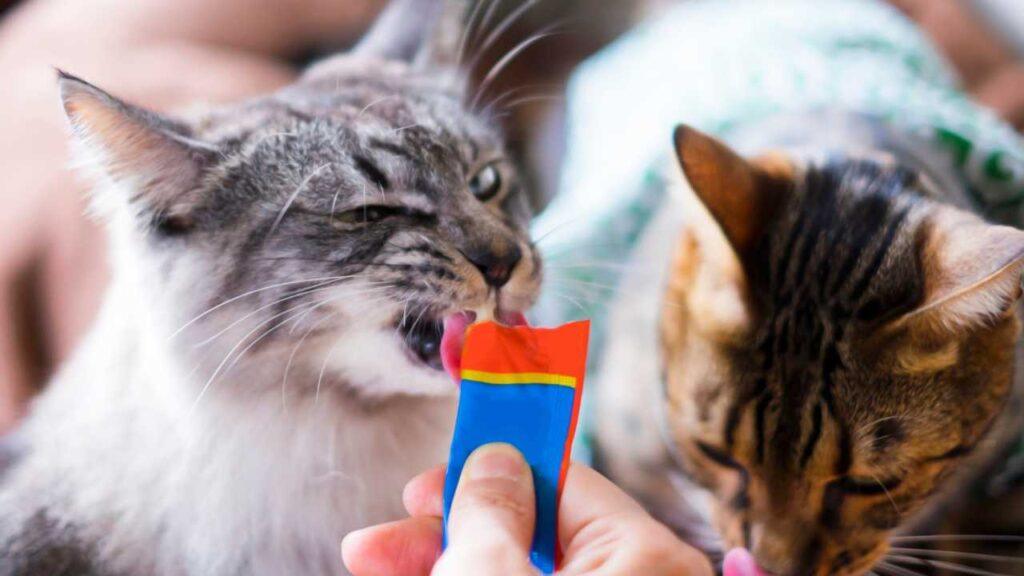
When your cat crunches a “dental” treat, it is tempting to hope that a few tasty bites will keep their teeth clean and avoid expensive dental work. But do cat dental treats actually work, or are they just flavored kibble in a fancy bag?
This guide walks through what research and veterinary experience say about dental chews, how they help, where their limits are, and how to choose safe, effective products for your cat.
Quick Answer: Do Cat Dental Treats Really Work?
- The right cat dental treats can help reduce plaque and tartar on the outer surfaces of teeth and can improve mild gingivitis when used every day.
- They work mainly through mechanical scrubbing as the cat chews, and sometimes through added active ingredients that support oral health.
- Products that have been tested and accepted by independent bodies such as the Veterinary Oral Health Council (VOHC) are the most reliable options.
- Dental treats cannot remove existing hardened tartar, cannot clean below the gumline, and do not replace tooth brushing or professional dental cleaning under anesthesia.
- The gold standard for feline dental care is still daily or near-daily brushing, with dental treats used as a helpful extra tool, not the only tool.
Why Your Cat’s Dental Health Matters
Most cats show signs of dental disease by the time they are three to four years old. Plaque, tartar and gingivitis can progress silently for years, and conditions like periodontitis or tooth resorption are extremely painful.
Untreated dental disease can lead to:
- Chronic mouth pain
- Bad breath and drooling
- Tooth loss or fractured teeth
- Difficulty eating and weight loss
- Infection spreading to deeper tissues and, in severe cases, affecting overall health
Because cats naturally hide pain, it is easy to miss dental problems until they are advanced. That is why a combination of home care and regular veterinary checks is so important.
How Cat Dental Treats Work
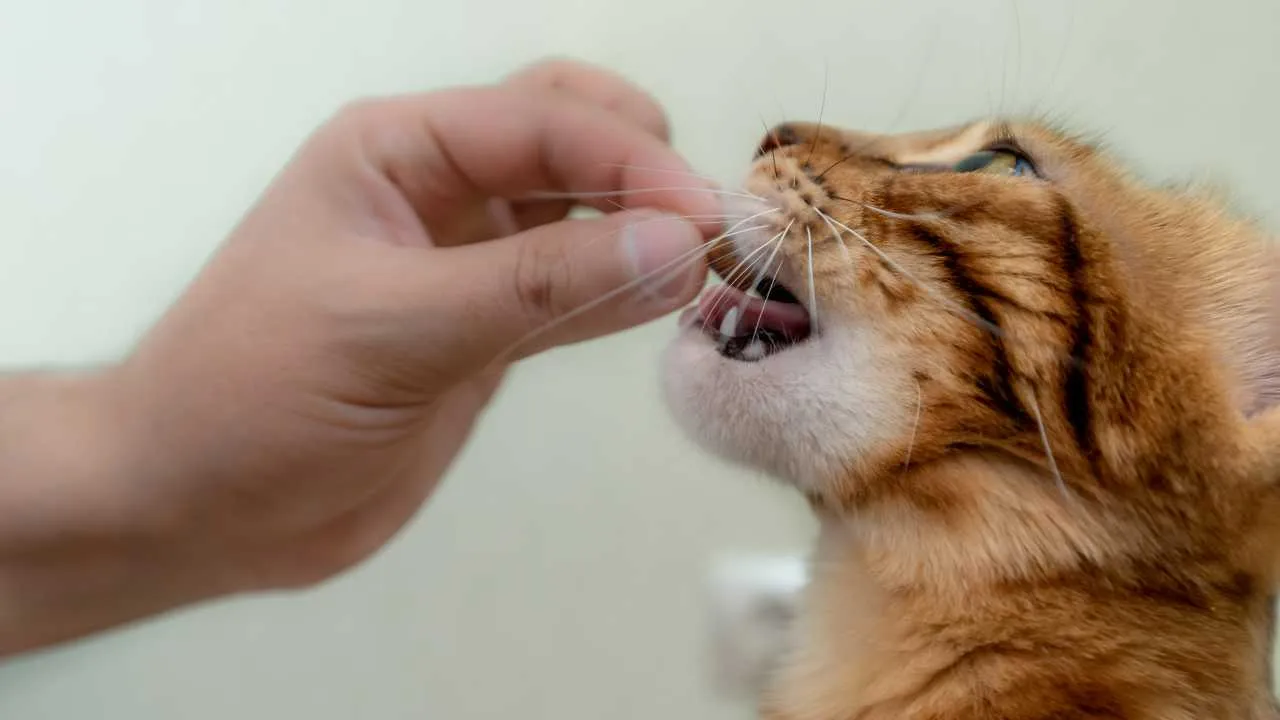
Dental treats and chews are designed to help manage plaque and tartar between professional cleanings. They usually work in three main ways.
1. Mechanical Cleaning
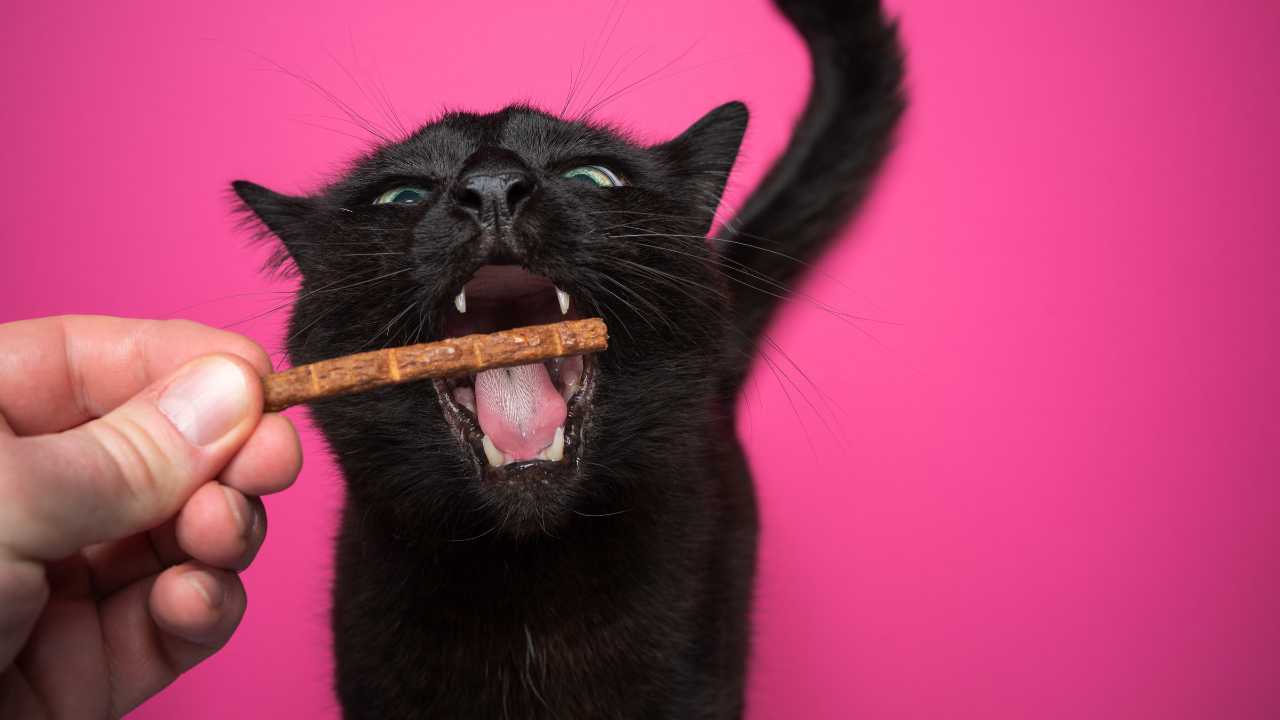
Effective dental treats are:
- Larger than ordinary kibble
- Firm or slightly chewy, not crumbly
- Designed so cats must bite down and crush them
This chewing action helps:
- Scrape away soft plaque before it hardens into tartar
- Clear some food particles from tooth surfaces
- Gently stimulate the gums
The effect is strongest on the outer (cheek) surfaces of the teeth, which are the areas treats contact most.
2. Active Ingredients
Some treats include ingredients that support oral health, for example:
- Seaweed extracts that can reduce plaque and calculus formation when used consistently
- Enzymes or mild antibacterial ingredients that slow down plaque build-up
These do not replace mechanical cleaning but can add extra benefit when combined with a suitable texture.
3. Routine and Positive Association
Dental treats can also help by:
- Making a dental-care routine more enjoyable for the cat
- Serving as a reward after tooth brushing
- Encouraging chewing in cats that otherwise only lick or swallow soft food
Used thoughtfully, they create a daily habit that supports better oral hygiene.
If your cat has bad breath, drooling, or avoids chewing, it may be more than plaque — learn about Tooth Resorption in Cats: Symptoms, Stages & Treatment (Feline Resorptive Lesions)
What Cat Dental Treats Can and Cannot Do
It helps to be very clear about the strengths and limitations of dental treats.
What They Can Do
- Reduce soft plaque and early tartar build-up on the accessible parts of teeth
- Improve mild gum inflammation in some cats
- Freshen breath to a degree
- Support dental health between professional cleanings
- Make it easier for owners to stick to a daily oral-care routine
What They Cannot Do
- Remove thick, hardened tartar that is already attached to teeth
- Clean below the gumline, where serious periodontal disease develops
- Treat advanced dental disease, fractured teeth or tooth resorption
- Fully replace tooth brushing or professional dental work
Think of dental treats as one useful tool in a larger toolkit, not a complete solution on their own.
The VOHC Seal: How to Choose Treats That Actually Work
Because the pet market is full of products claiming “dental benefits,” it is important to distinguish those with real evidence from those with only marketing claims.
The Veterinary Oral Health Council (VOHC):
- Sets standards for how dental products should be tested
- Reviews clinical study results submitted by manufacturers
- Grants a Seal of Acceptance to products that show a meaningful reduction in plaque and/or tartar when used as directed
For cats, VOHC-accepted dental treats currently include a small group of products such as:
- Feline dental treats from major brands that have been tested in controlled studies
- Crunchy chews specifically designed for plaque and tartar control
The VOHC seal indicates that a product has passed independent review and is more likely to provide real dental benefits than untested treats.
Real-World Experience: What Owners and Vets Notice
When you look at patterns in veterinary recommendations and owner reviews for proven dental treats, several themes appear:
Positive trends:
- Many cats genuinely enjoy the taste and crunch, so it is easy to give them daily.
- Owners often report slightly fresher breath after a few weeks of consistent use.
- Vets commonly recommend these treats as part of a home-care plan, especially for cats whose owners struggle with brushing.
Common drawbacks:
- Some cats swallow treats whole instead of chewing them, which reduces the dental effect.
- A small number of cats may develop soft stools or mild stomach upset if too many treats are given at once.
- Calories can add up quickly in small or indoor cats, contributing to weight gain if the main diet is not adjusted.
Together, these patterns give a realistic picture of what cat dental treats can and cannot achieve in everyday life.
Dental treats help with plaque, but gum disease is progressive. Learn the Periodontal Disease in Dogs and Cats: Stages of Gum Disease Explained
How to Choose the Best Dental Treats for Your Cat
When you stand in front of a shelf full of options, use these steps to guide your choice.
1. Look for Evidence
- Prioritise products that carry the VOHC Seal of Acceptance.
- If there is no seal, look for clear, transparent information about testing and veterinary recommendations.
2. Check Texture and Size
- Treats should be big and firm enough that your cat must bite and crush them.
- Very small or crumbly treats are often swallowed quickly and provide little cleaning.
3. Watch the Calories
- Treats need to fit into your cat’s daily calorie allowance.
- Many dental treats are relatively low in calories per piece, but even small extras can contribute to weight gain over time.
- Adjust your cat’s main food portion if you are giving treats every day.
4. Consider Health Conditions
- Cats with chronic kidney disease, pancreatitis, food allergies or diabetes may need specific diets.
- Always ask your veterinarian which treats are safe for your cat’s particular condition.
5. Ask Your Vet
- Bring the packet to your next appointment or send your vet a photo of the label.
- Ask how often you should give the treat, and whether it makes sense alongside your cat’s current food and dental status.
Safety Tips and When to Be Careful
Most dental treats are safe for healthy adult cats when used as directed, but keep these points in mind:
- Supervise the first few times you offer a new treat to make sure your cat chews it rather than trying to swallow large pieces.
- Avoid hard treats in cats with very few teeth, painful mouths or recent dental surgery unless your vet has approved them.
- Do not ignore signs of pain, bad breath, drooling or reluctance to eat. Dental treats are not a substitute for a proper examination.
- If your cat vomits, has diarrhoea or shows other adverse reactions after starting a new treat, stop giving it and contact your vet.
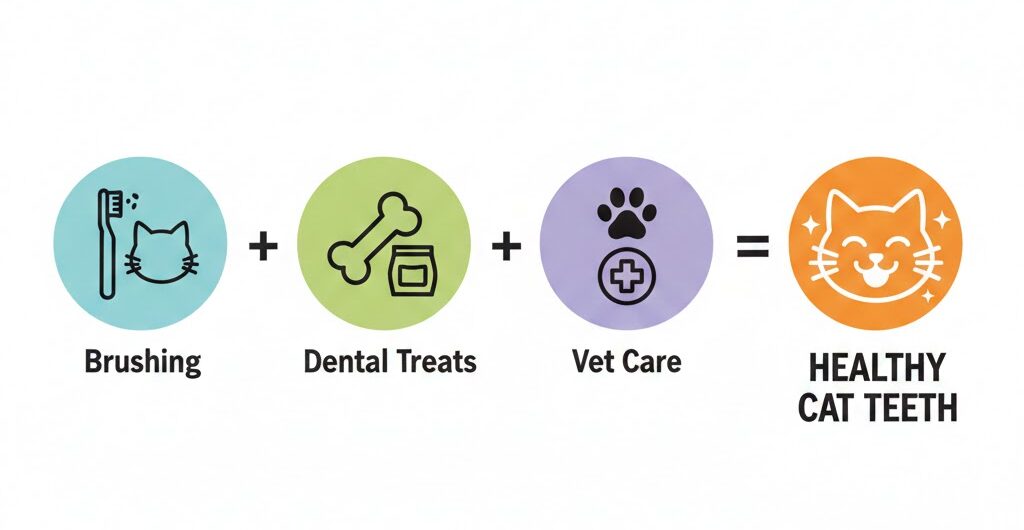
How Dental Treats Fit into a Complete Dental Routine
The most effective dental care for cats uses several strategies together.
An ideal routine might include:
- Daily or near-daily tooth brushing with a cat-safe toothbrush and enzymatic toothpaste.
- VOHC-accepted dental treats, given once or twice a day as recommended.
- Dental diets, water additives or gels if your vet advises them.
- Regular veterinary dental check-ups and professional cleanings under anesthesia whenever they are needed.
If brushing is not possible, dental treats are still valuable, but they should always be combined with regular veterinary assessment. Your vet can help design the best combination for your cat.
FAQ: Cat Dental Treats
How often should I give cat dental treats?
Most dental treats are designed for daily use. Follow the feeding guidelines on the package and include treat calories in your cat’s total daily intake.
Are dental treats enough if I never brush my cat’s teeth?
They are better than doing nothing, but they are not enough on their own. Brushing remains the most effective home-care method, and professional cleanings are still needed periodically.
Can kittens have dental treats?
Check the age recommendations on the package and ask your vet. Young cats benefit most from getting used to tooth brushing early in life.
Do soft or semi-moist treats work?
If a treat is very soft and can be swallowed without chewing, it provides little mechanical cleaning. Firmer, crunchy treats are usually more effective for dental purposes.
My cat has already had multiple teeth removed. Can I still use dental treats?
This depends on which teeth are left and how comfortable your cat is when chewing. Your vet can advise whether dental treats are appropriate or whether softer options are better.
Final Thoughts
Cat dental treats can absolutely play a useful role in protecting your cat’s teeth and gums, as long as they are chosen wisely and used as part of a broader dental-care plan. Look for evidence-based products, watch calories, and combine treats with brushing and regular veterinary dental checks.
This content is for informational purposes only and does not replace professional veterinary advice, diagnosis or treatment. Always consult a qualified veterinarian about your cat’s health. AI-generated information can contain errors or become outdated over time.