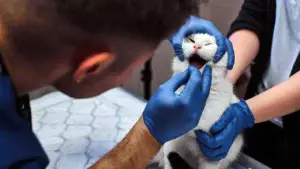

Broken or Fractured Teeth in Pets (Dogs & Cats): What to Do and When It’s Urgent
Finding a chipped tooth, a cracked fang, or blood on a chew toy can be scary. Broken or fractured teeth in pets are common in dogs and cats—and they can be painful even when your pet keeps eating like nothing happened.
This guide explains what a broken dog tooth can look like, why a cat fractured tooth is easy to miss, what you can safely do at home right now, and when you should treat it as an emergency.
Affiliate disclosure: This article may contain affiliate links. If you buy through them, we may earn a commission at no extra cost to you.
Educational disclaimer: This content is for general education and does not replace veterinary diagnosis or treatment.
Quick Answer
If your pet has a broken tooth, assume it may be painful and arrange a veterinary check as soon as possible. Treat it as urgent if you see bleeding that won’t stop, facial swelling, a loose tooth, refusal to eat, or a visible colored spot inside the tooth.
At home, remove hard chews, offer soft food, and avoid touching the tooth. Your vet will determine whether it’s a minor chip or a deeper fracture that needs treatment, which may include professional dental cleaning/scaling, extraction, or root canal therapy depending on severity.
At a Glance
- Most common causes: chewing hard objects (dogs), trauma/falls/fights (cats), high-impact play, wear over time
- What makes it urgent: fractures that expose dentin/pulp or cause bleeding/swelling
- A key visual clue: a visible pink spot can mean fresh pulp exposure; brown/black may suggest the pulp has died and infection risk is higher—both need prompt vet care
- Safest immediate plan: soft food + remove hard chews + vet exam
- Typical vet options: smoothing/sealing (minor), root canal (save the tooth), extraction (remove pain source)
- Best prevention: safer chew habits + routine dental checks
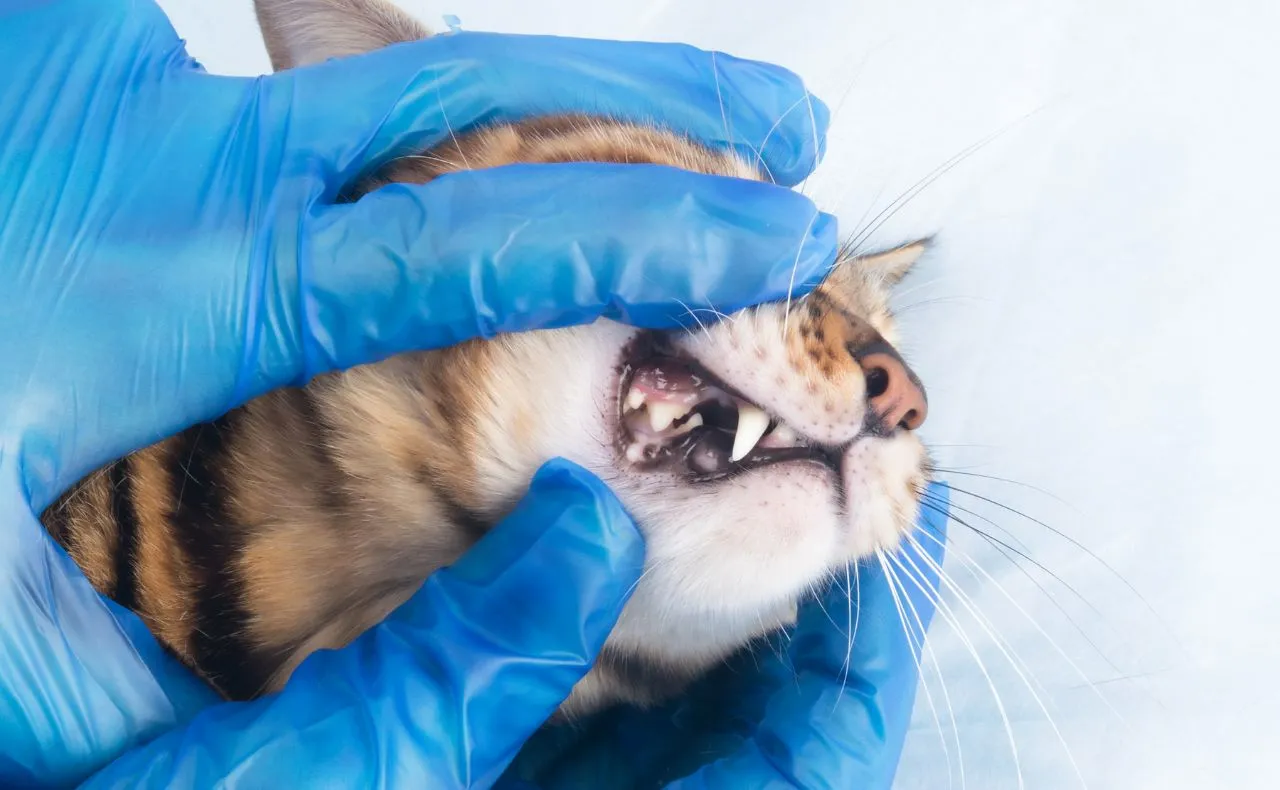
Broken or Fractured Teeth in Pets: What to Do Right Now
Step 1: Do a quick safety check
- Check gum color: healthy gums are usually pink. If gums look very pale/white, seek emergency care.
- Check bleeding: a little blood can happen with a chip, but heavy bleeding or bleeding that won’t stop is an emergency.
Step 2: Remove hard chews and risky toys immediately
Take away bones, antlers, hooves, hard nylon, rocks, ice cubes, and very hard chew items. These are common triggers for a broken dog tooth.
Step 3: Switch to soft food for 2–3 days
Wet food, soaked kibble, or other soft meals reduce pressure on the damaged tooth.
Step 4: Avoid poking at the tooth
Don’t try to scrape, file, or “check” the tooth repeatedly. A fractured tooth can be extremely sensitive.
Step 5: Book a vet exam soon (sometimes same day)
A tooth can look like a small chip but still have a deeper crack below the gumline. Dental X-rays can be necessary to confirm what’s happening under the surface.
Do not give human pain medication unless your veterinarian instructs you. Common human pain meds can be dangerous for pets.
In cats, bad breath often signals tooth resorption: symptoms, stages & treatment (feline resorptive lesions)
How to Tell a Small Chip From an Urgent Fracture
Signs that can look minor (still needs a vet check)
- a small edge chip
- no swelling
- no ongoing bleeding
- your pet is eating normally and not pawing at the mouth
Urgent fracture red flags
- a large chunk missing
- the tooth looks hollow/open or split
- a visible colored spot inside the tooth:
- pink can mean fresh pulp exposure
- brown/black can mean the pulp has died, often with higher infection risk
Both should be treated as urgent
- facial swelling (especially under the eye in dogs)
- a loose tooth
- refusal to eat, crying when chewing, sudden one-sided chewing
- foul smell from the mouth plus pain signs
Gum disease drives 80% of pet bad breath cases—see periodontal disease in dogs and cats: stages explained.

Broken Dog Tooth vs Cat Fractured Tooth: What’s Different?
Broken dog tooth: the hard chewer pattern
Dogs often fracture teeth by chewing things that don’t “give.” Commonly affected teeth include canine teeth (fangs) and large chewing teeth like carnassials.
Common signs:
- chewing on one side
- dropping food
- refusing crunchy treats
- stopping tug games
- lip licking or pawing at the mouth
Cat fractured tooth: trauma + hidden pain
Cats may fracture teeth after falls, fights, or impacts. Cats often hide pain, so signs can be subtle:
- swallowing kibble without chewing
- food dropping from the mouth
- reduced grooming
- irritability when touched near the face
Cat-specific note: tooth resorption can make a tooth look broken near the gumline. Many owners assume it’s a simple chip, but resorption can be very painful and usually requires a proper dental exam and often dental X-rays.
Wondering about quick fixes? We break down do cat dental treats work? Best cat dental chews explained (2026).
Why Tooth Fractures Become Painful or Infected
Teeth have layers:
- enamel (outer layer)
- dentin (sensitive middle)
- pulp (inner chamber with nerves and blood supply)
If a fracture reaches dentin or pulp, the tooth can become painful and more vulnerable to bacterial infection. That’s why fractures with visible colored spots, swelling, or persistent discomfort should be assessed promptly.
When to See Your Vet
Seek urgent care if you notice:
- pale/white gums or sudden weakness
- heavy bleeding or bleeding that won’t stop
- facial swelling
- a loose tooth
- visible pink or dark spot inside the tooth
- refusal to eat or strong mouth pain behaviors
Book a vet visit soon if:
- you notice a chip but your pet seems comfortable
- there’s no swelling or ongoing bleeding
- your pet is eating normally
A vet exam is still recommended to rule out deeper damage.
What the Vet Will Do (And Why Dental X-Rays Matter)
A thorough assessment may include:
- oral exam (tooth + gumline)
- dental X-rays to detect fractures below the gumline, root infection, or tooth resorption in cats
Many serious issues are not visible from the surface.
Common Treatment Options
Smoothing and sealing (minor fractures)
If the pulp is not exposed and the tooth is stable, the vet may smooth sharp edges and sometimes seal exposed dentin to reduce sensitivity.
Root canal therapy (saving the tooth)
Often considered when the tooth is important (like a canine tooth) and saving it is realistic. Follow-up imaging is commonly recommended.
Extraction
Often recommended when the tooth is severely fractured, infected, loose, or not a good candidate for repair. Many pets improve quickly once the painful tooth is removed.
Professional dental cleaning/scaling
Professional scaling may be recommended as part of the plan, especially if gum disease is present.
Aftercare and Prevention
Aftercare: making eating easier
If your pet struggles with crunchy food for a few days:
- use high-quality wet food
- consider pet-safe broth/toppers to encourage eating
If your pet refuses food, contact your veterinarian promptly.
Prevention: safer chew habits (the Nail Test)
A practical guideline: if you can’t indent a chew with your fingernail, it may be too hard.
Safer options often include:
- classic rubber toys you can stuff with food
- flexible rubber-like chew toys designed to “give”
- supervised, size-appropriate dental chews (avoid rock-hard types)
When brushing isn’t possible right now
If the mouth is painful, some owners use:
- dental water additives (VOHC-accepted where available)
- gentle oral gels used as directed
These are supportive tools, not a replacement for treating a fractured tooth.
FAQs
Can my dog live with a broken tooth?
A tiny chip may be stable, but deeper fractures often become painful or infected. A vet exam is the safest way to know.
What does a dangerous fracture look like?
Large missing pieces, cracks toward the gumline, swelling, bleeding, a loose tooth, or a visible pink/brown/black spot inside the tooth.
My cat is still eating—does that mean it’s not painful?
Not necessarily. Cats may keep eating while in significant oral pain, especially if they swallow food without chewing much.
Should I brush around a broken tooth?
If brushing seems painful, pause and ask your vet. Focus on soft food and preventing chewing until your exam.
Is extraction always the best option?
Not always. Some teeth can be saved with root canal therapy, especially important teeth like canines.
Could this be tooth resorption instead of a fracture (cats)?
Yes. Tooth resorption can mimic a fracture near the gumline. Dental X-rays help confirm the cause.
Final Verdict
Broken or fractured teeth in pets should be taken seriously because the deeper the fracture, the higher the risk of pain and infection. If you spot a broken dog tooth or suspect a cat fractured tooth, remove hard chews, offer soft food, avoid home scraping, and arrange a vet dental evaluation—especially if there’s heavy bleeding, swelling, pale gums, or a visible colored spot inside the tooth.