Bad breath causes in pets: Dog and Cat Halitosis Explained
Bad breath in pets (halitosis) is easy to shrug off as “normal,” but persistent odor is usually your pet’s mouth asking for help. In most dogs and cats, the smell comes from bacteria living in dental plaque—often long before you notice obviouand s pain.
In this guide to Bad breath causes in pets, you’ll learn what’s most likely behind the smell, what you can safely do at home, and when it’s time to book a vet visit.
Affiliate disclosure: This article may contain affiliate links. If you buy through them, we may earn a commission at no extra cost to you.
Educational only—this does not replace veterinary advice.
Quick Answer
Most bad breath in dogs and cats is caused by dental plaque and gum disease (periodontal disease). As plaque builds up along the gumline, anaerobic bacteria thrive (bacteria that prefer low-oxygen environments) and create the strongest odor—often by producing “sulfur-like” compounds.
If the smell is new, strong, persistent, or paired with symptoms (drooling, pawing at the mouth, bleeding gums, appetite changes), your best next step is a vet oral exam—because “just dog breath” can hide painful dental disease.
At a Glance
- Most common culprit: plaque + tartar + early gum inflammation (gingivitis)
- What makes it smell: odor-producing anaerobic bacteria living under the gumline
- Other common causes: broken tooth, oral infection, something stuck, diet/garbage eating, dry mouth
- Less common but important: kidney disease, diabetes, liver/GI disease (especially if there are other symptoms)
- Best at-home habit: daily (or near-daily) tooth brushing with pet-safe toothpaste
- When tartar is heavy: veterinary dental cleaning / professional scaling is often the real solution
- Rule of thumb: if it doesn’t improve within 1–2 weeks of consistent oral care, book a vet check
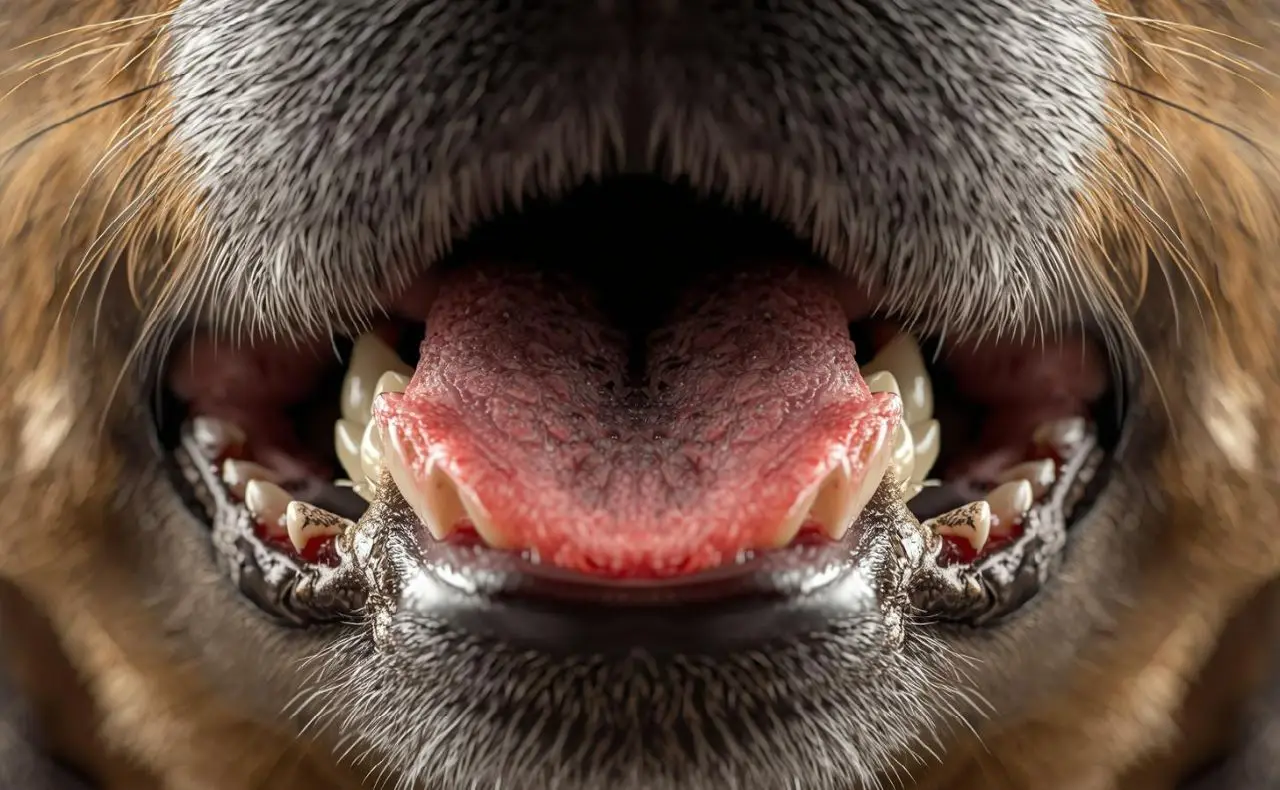
Bad breath causes in pets: the 5 most common buckets
1) Plaque, tartar, and gum disease (the #1 cause)
Plaque is a sticky biofilm of bacteria that forms on teeth fast—sometimes within hours. If it isn’t disrupted (brushing/chewing), it hardens into tartar and irritates the gums. That early gum inflammation is called gingivitis. As the gumline becomes inflamed, pockets can form where anaerobic bacteria multiply—and that’s where the “real stink” often comes from.
Clues you’ll often see:
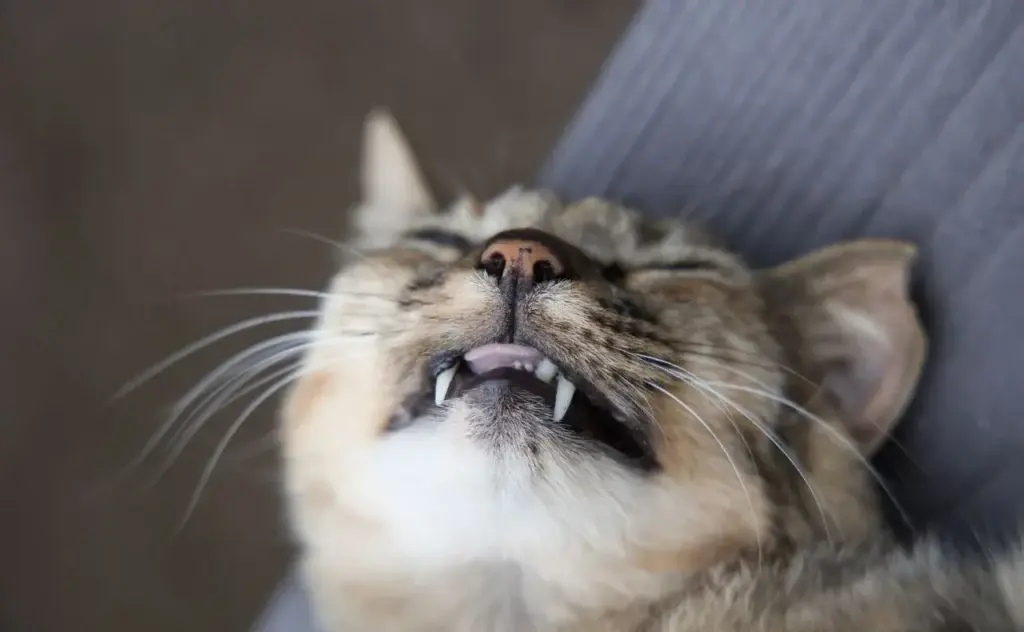
- yellow/brown tartar near the gumline
- red, puffy gums (especially along the edges)
- “rotten,” sour, or sulfur-like breath
- reluctance to chew toys or crunchy food
2) A painful tooth problem (fracture, abscess, resorption in cats)
A single bad tooth can make breath shockingly foul. Cats, in particular, can have painful tooth resorption that’s easy to miss until eating behavior changes. It’s common—and many cat owners don’t realize how much pain it can cause because cats hide discomfort so well.
Clues to watch for:
- chewing on one side
- dropping food, chewing strangely, or sudden pickiness
- facial swelling, pawing at the mouth
- visible broken tooth or bleeding
3) Mouth infections or inflammation (gums, tongue, or throat)
Stomatitis, infected gums, oral ulcers, and infected wounds in the mouth can all cause strong odor. This can happen alongside plaque—or independently.
Clues:
- drooling, especially if thick or blood-tinged
- bad breath + visible redness/ulcers
- obvious mouth pain when you try to look
4) “Something they ate” (diet, garbage, poop-eating, foreign material)
Some dog bad breath causes are simply lifestyle: scavenging, trash, or poop-eating (coprophagia). Cats can also get odor from strong-smelling foods, but persistent halitosis is more often dental.
A small but surprisingly common dog-specific detail: a very fishy smell can sometimes be linked to anal glands(especially if a dog licks their rear end and then licks their lips). That doesn’t mean the smell is “from the mouth,” but it can show up as bad breath in real life.
Clues:
- breath changes suddenly after a walk or meal
- vomiting, gagging, or repeated lip-licking
- scooting, rear-end licking, or a strong “fishy” odor on the coat/bedding
- chewing sticks/bones that can splinter or lodge
Gum disease drives 80% of pet bad breath cases—see periodontal disease in dogs and cats: stages explained.
5) Whole-body issues (less common, but important)
When the smell is unusual (sweet/acetone-like, ammonia/urine-like, musty) and your pet seems unwell, systemic illness moves higher on the list. Kidney disease, diabetes, liver disease, and certain GI issues can change breath odor.
Clues:
- increased thirst/urination, weight loss, lethargy
- vomiting, reduced appetite
- breath that smells like ammonia/urine or unusually sweet
Dog bad breath causes: what’s different in dogs?
Dogs are more likely to:
- scavenge (trash, dead things, poop) and develop temporary “garbage breath”
- chew hard objects that crack teeth
- develop periodontal disease earlier if they’re small breeds or have crowded teeth
- have “fishy breath” episodes tied to anal gland licking
If your dog’s breath is bad all the time, assume plaque/gum disease until proven otherwise—even if they still eat normally.
In cats, bad breath often signals tooth resorption: symptoms, stages & treatment (feline resorptive lesions).
Cat bad breath cure: what actually works (and what doesn’t)
If you’re searching for a cat bad breath cure, the honest answer is: there’s no single cure—because bad breath is a symptom. You fix it by treating the cause.
For many cats, the most effective plan looks like this:
- Vet oral exam (especially if the breath is persistent or strong)
- Daily brushing habit (tiny, gentle steps—more below)
- Evidence-based add-ons (VOHC-accepted dental diets/treats or water additives if your vet agrees)
- Follow-up if the odor returns quickly after improving (often a sign of hidden dental disease)
Cats are masters at hiding dental pain, so don’t wait for obvious symptoms.
Veterinary dental cleaning and professional scaling: when home care isn’t enough
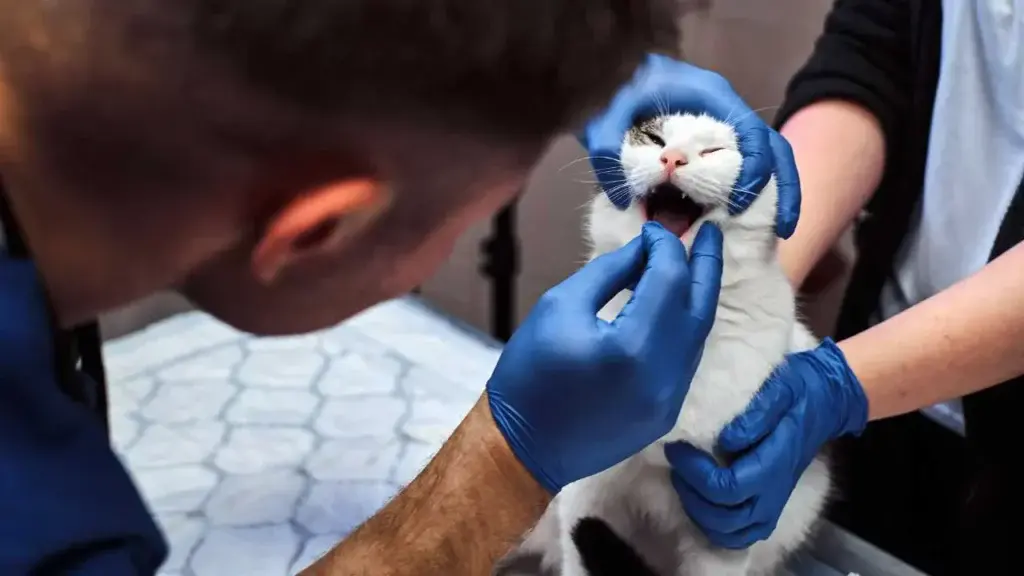
If tartar is thick or gums are very inflamed, brushing and chews won’t remove what’s already hardened onto the teeth—especially below the gumline. That’s where a veterinary dental cleaning / professional scaling helps.
A typical vet dental procedure may include:
- scaling above and below the gumline
- polishing (to reduce new plaque sticking)
- dental X-rays when indicated (important for cats and hidden tooth issues)
- treatment of diseased or painful teeth if needed
If you’re unsure whether your pet needs this, a vet can grade the dental disease and recommend the safest plan.
Wondering about quick fixes? We break down do cat dental treats work? Best cat dental chews explained (2026).
When to see your vet
Book a vet visit soon if:
- bad breath lasts more than 1–2 weeks despite consistent home care
- your pet has visible tartar and red gums
- you suspect a broken tooth or mouth injury
Go sooner (same day/urgent) if you notice:
- not eating, hiding, sudden aggression when touched near the head
- facial swelling, bleeding from the mouth, or pus-like discharge
- repeated gagging, choking, or pawing at the mouth
- vomiting + lethargy + strong unusual breath odor
What you can safely do at home (a realistic 7-day reset)
Step 1: Do a quick “no-drama” mouth check
In good light, gently lift the lip (don’t force the mouth open).
- Look for tartar buildup, red gumline, or a clearly broken tooth.
- Smell alone is useful—but visual clues help you choose the right next step.
Step 2: Start brushing (the highest-impact habit)
Use only pet-safe toothpaste. Human toothpaste can be harmful if swallowed.
A gentle progression:
- Days 1–2: let your pet lick a tiny smear of pet toothpaste from your finger
- Days 3–4: rub along the outer teeth with your finger (10–15 seconds)
- Days 5–7: introduce a soft pet toothbrush or finger brush, outer surfaces only
- Aim for: 30–60 seconds, most days
Step 3: Add a proven helper (not a perfume)
If brushing is hard (or you want faster improvement), look for products with the VOHC Seal of Acceptance. VOHC-accepted options have evidence for reducing plaque and/or tartar.
What readers can look for right away:
- Product types: dental chews, dental diets, water additives, oral gels
- Common helpful approaches/ingredients (varies by product):
- chlorhexidine (an antiseptic used in some veterinary oral gels/rinses)
- polyphosphates (e.g., sodium hexametaphosphate) that help slow tartar formation
- dental kibble structure/fiber matrix designed to mechanically reduce plaque as the tooth penetrates the kibble
Always use as directed—and ask your vet if your pet has health conditions or is on medication.
Step 4: Adjust the “breath triggers”
- Stop access to trash, litter boxes, and feces if possible
- Rinse food bowls daily
- Consider switching from sticky treats to cleaner options (your vet can guide you if your pet has sensitivities)
Step 5: Don’t DIY scrape tartar at home
Home scraping can scratch enamel, injure gums, and be risky if your pet moves suddenly. If tartar is thick, a professional cleaning is often the correct answer.
Common mistakes that keep breath bad
- Using human toothpaste or essential oils in the mouth
- Relying on breath sprays without addressing plaque
- Giving very hard chews that crack teeth (especially for aggressive chewers)
- Ignoring “mild” bad breath until it becomes severe (dental disease is progressive)
FAQs
Is bad breath normal in dogs?
Occasional odor after meals can be normal. Persistent bad breath is usually not “normal”—it’s commonly plaque, gingivitis, or more advanced periodontal disease.
Why does my cat’s breath smell worse than my dog’s?
Cats can have significant dental pain (including tooth resorption) with minimal outward signs. Strong, persistent odor deserves a vet exam.
Can wet food cause bad breath?
Wet food can leave stronger food odors briefly, but it shouldn’t cause constant foul breath. Persistent smell points to dental disease or another issue.
Do dental treats actually work?
Some do. The most reliable choices are products with the VOHC Seal, used consistently and as part of an overall oral-care plan.
How fast will brushing help?
Some owners notice improvement within 1–2 weeks if plaque is the main cause. If there’s advanced tartar, infection, or a painful tooth, brushing won’t be enough.
When is bad breath a sign of something serious?
When it’s paired with lethargy, vomiting, appetite changes, weight loss, increased thirst/urination, facial swelling, or a very unusual odor (sweet/acetone-like or ammonia-like).
Final thoughts
Bad breath causes in pets are usually fixable—but the fix depends on the cause. Start by assuming plaque and gingivitis, build a simple brushing routine, and use evidence-based support (like VOHC-accepted options) instead of masking the smell. And if the odor persists, looks severe, or your pet shows any pain or behavior changes, a vet exam and possible professional scaling can make a night-and-day difference.